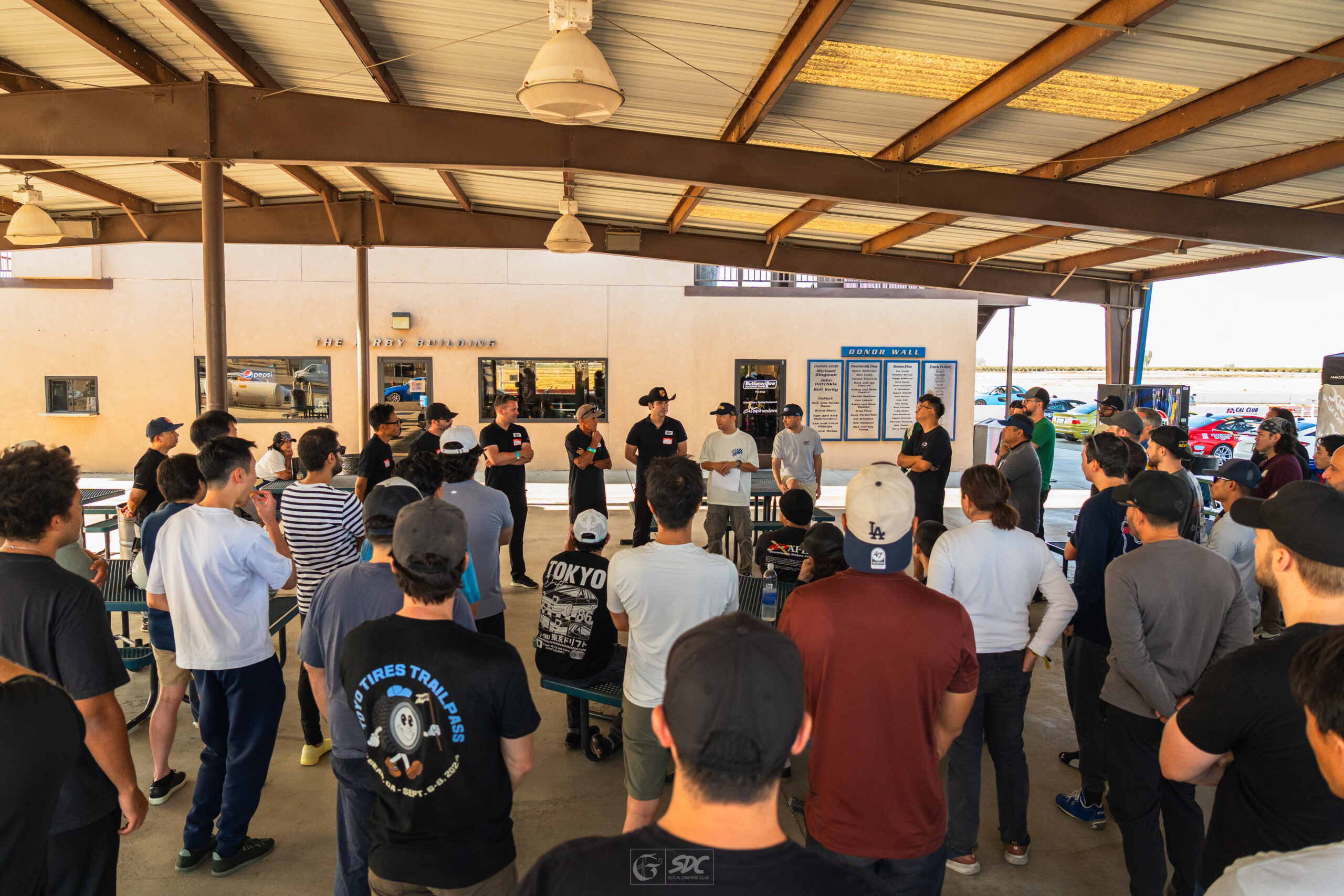

How Michael Johnson Helps Drivers Find Speed Through Understanding
In motorsports, many drivers spend years chasing speed.
Michael Johnson spends his time helping them understand it.
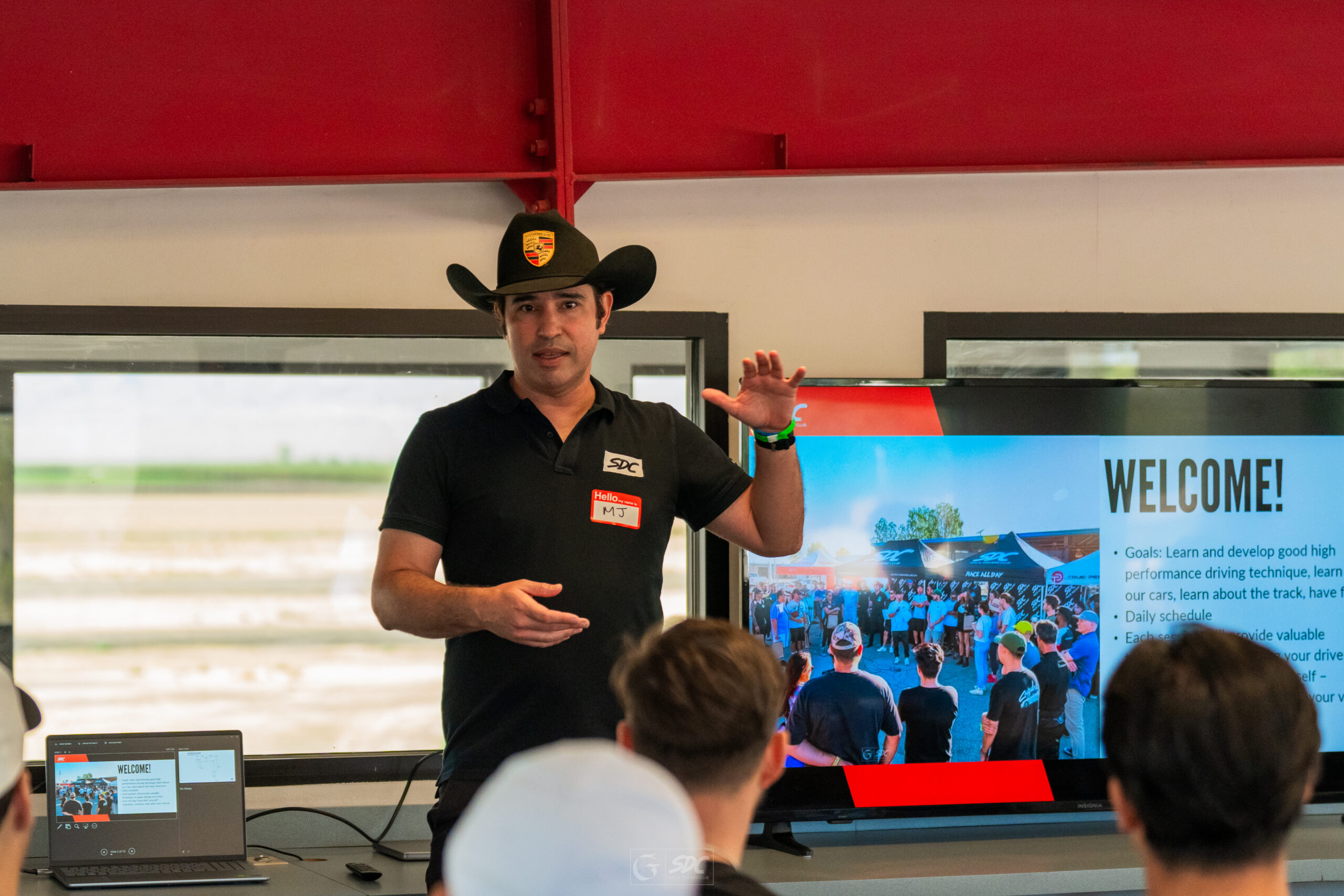
As a driver coach, racer, and instructor, Johnson has built a reputation for transforming data, experience, and observation into something far more valuable than lap times alone: confidence. Whether he’s working with a first-time track driver or a seasoned competitor chasing tenths of a second, his philosophy remains remarkably consistent.
“Every driver has their own story, goals, background, and experiences they bring to driving,” Johnson explains. “As a coach, it’s important to understand where they’re coming from before giving advice.”
That approach has become the foundation of a coaching career dedicated to helping others succeed while continuing to learn himself.
Growing Up in Racing
Johnson’s introduction to motorsports started long before he ever sat behind the wheel.
His father raced World of Outlaws sprint cars and worked as a mechanical engineer, building race cars and surrounding the family with motorsports culture from an early age. Racing wasn’t simply a weekend hobby—it was a way of life.
“If my dad wasn’t working on a race car, there was a NASCAR race, Formula One race, or IndyCar race on television,” Johnson recalls.
Eventually, his father traded sprint car weekends for go-kart weekends, introducing Michael and his younger brother to the sport. Those early years helped fuel a dream that eventually took him halfway around the world.
After college, Johnson moved to England with aspirations of pursuing Formula One. Like many young racers, he quickly discovered that talent alone wasn’t enough.
“I visited several Formula Three teams and they all had a seat available,” he laughs. “The problem was it cost about $1.3 million a season.”
The experience altered his path, but it also opened a new door.
Johnson joined the renowned PalmerSport program in England, where he learned the art of coaching from some of the industry’s best instructors. The experience would ultimately shape the direction of his career.
Coaching Before Racing
While Johnson still races competitively, he now identifies first and foremost as a coach.
The reason is simple.
No two drivers are the same.
Some drivers arrive at the track chasing championships. Others simply want to spend a safe and enjoyable day with friends. Johnson believes both goals are equally valid—and both require completely different coaching approaches.
“For some drivers, if they don’t win, they’ve failed,” he says. “For others, if they stay on track all day and go home smiling, that’s a win. My job is to help them achieve whatever success looks like for them.”
That philosophy comes from personal experience.
Although he grew up around racing, Johnson never had a formal driving coach during his early years.
“It was really awful, to be honest,” he says. “I learned everything the hard way and it took far longer to figure out basic concepts than it should have. I try to remember what that felt like and build drivers up the way I wish I could have learned when I was starting out.”
Speed Is a Byproduct
One of the most common misconceptions Johnson sees among drivers is an obsession with lap times.
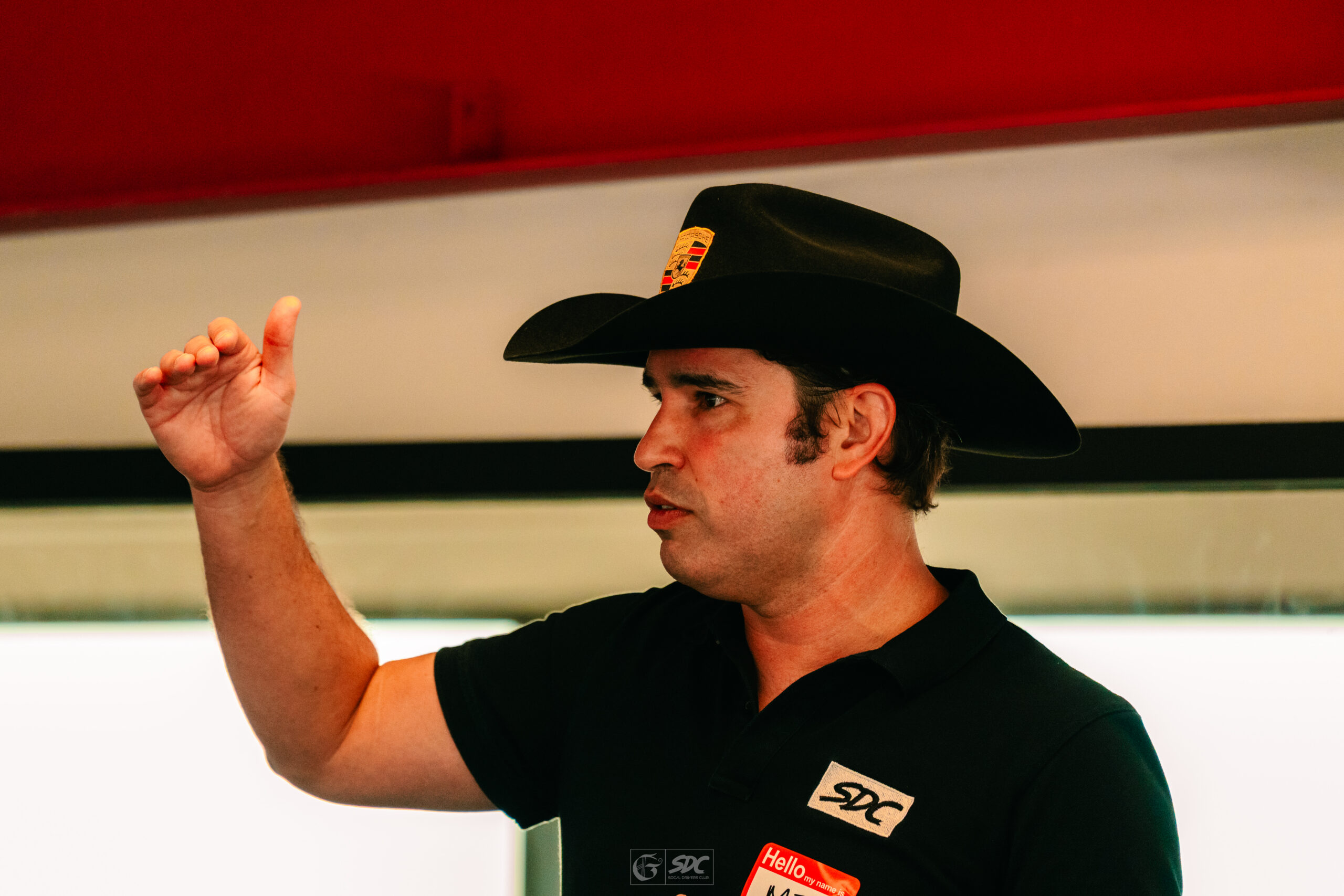
While most drivers focus on the stopwatch, Johnson focuses on technique.
“Speed is a byproduct of good technique,” he explains. “Sometimes I’ll literally cover up the lap timer because drivers become distracted by it.”
Instead, he slows everything down.
Drivers learn how to understand a circuit, apply the correct inputs, and develop consistency before chasing outright pace. The result is often surprising.
“When drivers start understanding what the car needs and what the track is asking from them, the speed comes back naturally—and usually much faster than before.”
It’s an approach that relies heavily on data analysis.
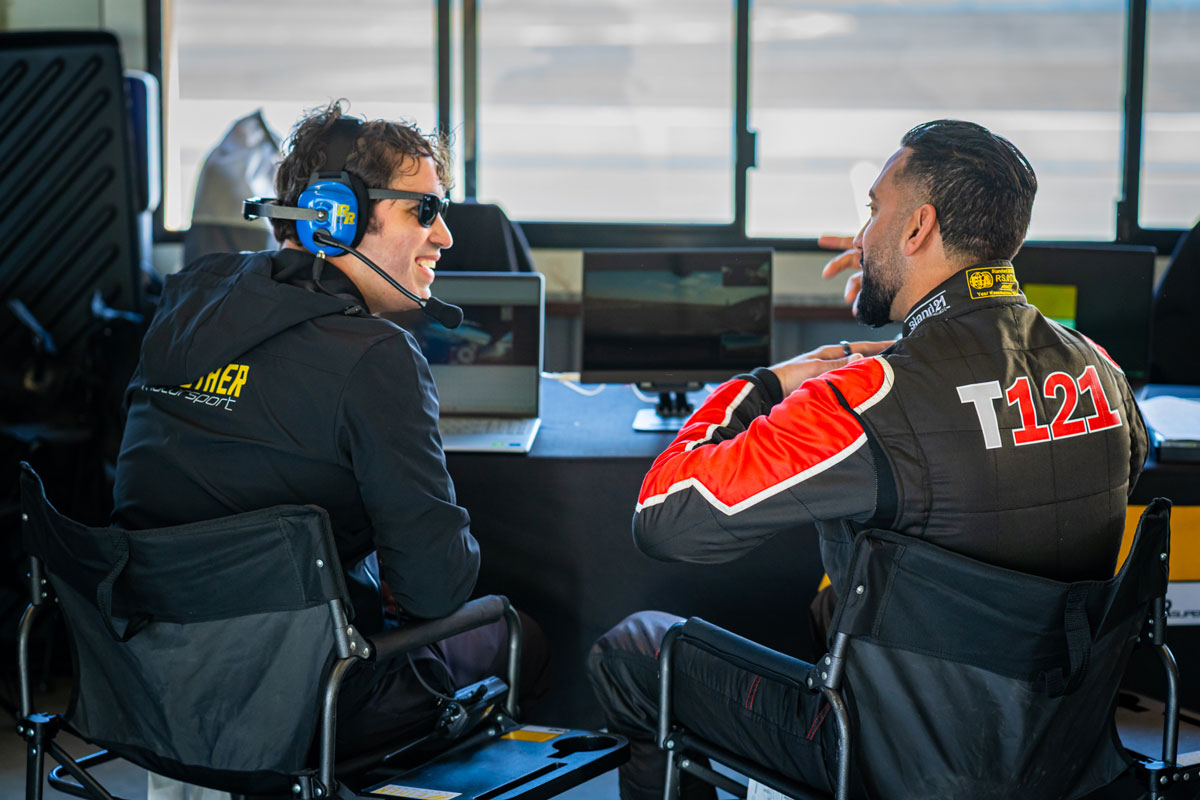
Johnson spends much of his coaching time reviewing telemetry and onboard video, helping drivers understand exactly where they can improve.
“The great thing about data is that it doesn’t lie,” he says. “Most drivers are already doing 18 or 19 corners really well. Sometimes there’s just one corner where something isn’t quite right. Fix that one thing, and suddenly an entire second falls off the lap time.”
Why Buttonwillow Matters
Ask Johnson about Buttonwillow Raceway Park and he’ll immediately begin smiling.
“It’s one of my favorite tracks in the country.”
The reason isn’t simply history.
It’s complexity.
The Classic Track’s CW13 configuration has become legendary among drivers because of its technical nature, challenging elevation changes, and seemingly endless opportunities to learn.
“There are so many different types of corners and so much nuance,”
Johnson says. “You could spend an hour talking about almost every
turn.”
For new drivers, however, that complexity can be intimidating.
Johnson often advises first-time visitors to slow down, take their time, and focus on learning the track’s rhythm before worrying about speed.
“The desert backdrop can actually make it difficult to orient yourself because there aren’t many landmarks,” he explains. “That’s why leadfollow sessions, coaching, or simulator work can be so valuable when you’re first learning the track.”
While the new Circuit offers an excellent starting point for newer drivers, Johnson says the Classic Track remains the circuit everyone ultimately wants to master.
“It’s challenging, technical, and incredibly rewarding when everything finally clicks.”
Building the Next Generation
Perhaps Johnson’s proudest Buttonwillow accomplishment isn’t a race result at all.
Several years ago, he helped develop SoCal Drivers Club’s Beginner Day program—a structured introduction to motorsports designed specifically for first-time track drivers.
At the time, nobody knew how successful it would become.
Today, those events routinely sell out months in advance.
Even more rewarding are the conversations that happen years later.
“Drivers still come up to me at the track and say they started at Beginner Day and now motorsports has become a huge part of their life,” Johnson says.
For him, that’s what coaching is really about.
Watching someone discover the sport.
Watching confidence replace uncertainty.
Watching a driver’s understanding catch up with their passion.
“The most rewarding thing is seeing the light bulb come on,” he says. “Sometimes it takes a day. Sometimes it takes longer. But eventually
things start making sense. The lap time drops, the stress disappears, and it becomes fun.”
A Lifetime Student
Despite decades of experience, Johnson still considers himself a student of the sport.
“I never have too much ego to learn from a driver,” he says. “Sometimes a student does something better than what I suggested. When that happens, we learn from it and make it part of the program.”
That mindset may explain why his coaching resonates with so many people.
He doesn’t pretend to have all the answers.
Instead, he approaches every session with curiosity, humility, and a willingness to learn alongside the drivers he coaches.
And perhaps that’s why his closing advice feels so relevant—not just for racing, but for life.
“Enjoy the sport,” he says. “It is amazing what we get to do at Buttonwillow. Don’t forget these are the good old days.”
When asked to complete the sentence, “Winning ways are built by…”
Johnson doesn’t hesitate.
“Hard work, focus, never giving up—and then working harder.”